
How to protect skin under a Halloween costume mask UK: the prep that stops the breakout
What to do in the fortnight, the hour and the night itself so a Halloween costume mask does not leave a friction rash, a heat flush or a crop of small spots two days later.
We earn commission from qualifying Amazon purchases. It costs you nothing and does not affect what we recommend.
Quick answer
To protect skin under a Halloween costume mask in the UK, wash the mask's inside first, cleanse, then use one thin layer of a light non-comedogenic moisturiser. Skip heavy balm: under a rigid mask it traps sweat. Lift the mask for a few minutes each hour, and take it off the moment anything stings.
What to look for on the mask and on your face
Almost everything a costume mask does to your skin is decided by what the inside is made of and where it presses. Ten minutes with a mirror sorts that.
What the inside is made of
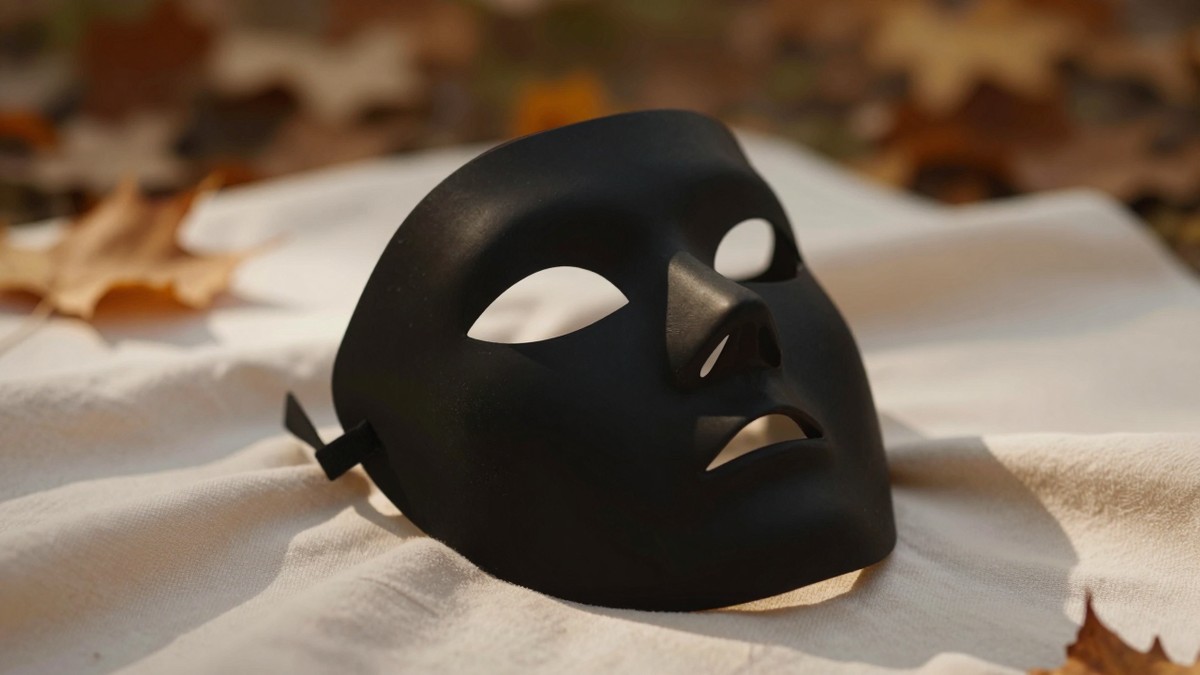
Press the inside with a thumb. If it does not give, it is a rigid shell, usually thin vinyl or PVC, often with a raw cut edge you can catch a fingernail on. Nothing breathes through it, so sweat stays put and the load lands on the nose bridge and cheekbones.
If it stretches and smells of rubber, treat it as latex: heavy, warm and close-fitting. Foam and fabric linings are kindest on friction and worst on hygiene, because foam holds sweat and cannot be wiped clean.
Where it actually touches
Put the mask on in front of a mirror, leave it a minute, then look at your face. The contact points show as pale patches that go pink: nose bridge, both cheekbones, the point of the chin, sometimes the brow. Add the strap line behind the ears and across the hairline.
Run a fingertip round the inside rim too: a raw cut edge feels sharp and slightly ridged, and one of those on a cheekbone for five hours leaves the mark people are still covering on 1 November.
Vent or seal
Wear it indoors for five minutes, then feel the inside. A mask that vents comes off barely damp; a mask that seals comes off with a film of moisture on it. Late October decides the rest: a cold street then a packed city bar has a rigid shell running with condensation, while an unheated village hall keeps it cool, leaving friction as the only problem.
Oily and acne-prone skin: an occlusion problem
Warm, still, damp air held against skin, with pressure and rubbing on top, is the whole mechanism. Dermatology calls the friction-driven version acne mechanica, familiar from the years of daily face coverings. It shows as small closed bumps along the contact strip, usually two or three days later rather than that night.
So the goal is the thinnest layer that stops the rim dragging: a rich cream under a sealed mask hands you occlusion and friction at once.
Dry and sensitive skin: an abrasion problem
Dry skin has less to give when a hard edge sits on it. A tight cheekbone under a sharp vinyl rim goes from pink to properly sore in an evening, and a foaming, soap-heavy cleanse an hour beforehand makes that worse.
The fix is mechanical: cushion the rim, then use a fragrance-free moisturiser with time to sink in.
Eczema and rosacea-prone skin: a heat problem
Heat and flushing are recognised triggers for both, and a full-head latex mask in a warm room is a heat trap by design. The reaction is not a line of friction: it is the whole covered area going hot and red, and staying that way.
Pick the mask that vents and plan the breaks before you go. If skin is flaring that week, our view is to drop the full-face mask for something that leaves the face open.
 Featured
15% OFF*Limited offer
One Sunday. A week of food, sorted.
23 high-protein recipes, cycle-synced for women who lift.
23 recipes · 60-page PDF · Instant download
£19.20 £16.32
See it on Etsy*Seller's discount on Etsy - may end at any time.
The countdown, from a fortnight out to the moment it comes off
Halloween falls on Saturday 31 October in 2026, so most UK parties land on that night or the Friday before. Work backwards from yours.
A fortnight out
Patch test the mask itself, not a product. Hold the inside against the inner forearm for a few minutes, then check that spot after an hour, the next day and the day after. Contact reactions can appear hours or days later, so a single check at sixty minutes catches only the fast ones.
It is also the fortnight not to start anything new: no first retinoid, no new acid, no first course of a treatment.
If rubber gloves or balloons have ever made your skin itch or swell, rule out a latex mask now. A true latex allergy is a medical matter, not a skincare one, and a Saturday night is not the place to find out. A pharmacist or GP is.
The week before
There is nothing to do, and that is the point. No peels, no strong exfoliation, no new treatment: skin left alone copes far better than skin just resurfaced.
The day before
Skip acids, scrubs and the retinoid on anything the mask will touch, and do not book threading or waxing for the day before or the day itself: freshly stripped skin under a hard rim is the quickest route to a friction rash. Wash the inside of the mask today at the latest, so it has a day to dry.
The hour before
Cleanse, one thin layer, ten minutes to sink in, then tape or pad the rim and get dressed. The order below matters more than any product in it.
On the night
Take the mask off for a few minutes roughly every hour: off completely, face cooled, inside wiped. Pushing it up onto your forehead does not count: that drags everything across your skin and puts it back. Blot with a tissue rather than rubbing with a sleeve.
Then the rule that matters most. A mask that stings, burns or itches comes off and stays off. A pressure line that fades is normal, and so is a bit of pink, but stinging is not something to get used to.
The moment it comes off
Take it off before the journey home rather than at the front door, and set the mask face down to dry rather than leaving it damp in a bag. Everything after that, taking the makeup off properly and the fortnight that follows, is in our guide to skin after Halloween makeup.
Cleaning the mask and prepping your face, in order
The order matters more than the products, and the first two steps happen days before the party.
- Wash the inside of the mask, a day or two ahead. It was moulded, dusted with release agent, packed and handled before it reached you, and all of that sits where it meets your face. Warm water, a little fragrance-free liquid soap and a soft cloth, then dry it face down away from a radiator, and never put it away damp. Foam and fabric linings only take a wipe.
- Deal with the rim before you deal with your face. A raw plastic edge at cheekbone level is the problem, not your skin. Run micropore tape along the inside edge, or stick soft moleskin padding on the points you found in the mirror.
- Cleanse, and stop there. Lukewarm water and an ordinary gentle cleanser: no scrub, no exfoliating acid, no clay mask on the day.
- One thin layer, ten minutes before the mask. For oily and acne-prone skin, a light lotion is enough to stop the rim dragging: the Simple hydrating light moisturiser is that kind of layer. For dry or sensitive skin, a fragrance-free oat gel such as Aveeno Calm and Restore cushions more without going heavy. Let it sink in first: a tacky layer holds the shell against your skin.
- Leave the heavy balm out of it. A thick occlusive balm is the natural instinct and the wrong one under a rigid mask, where it migrates into the contact strip, mixes with sweat and blocks follicles under pressure. If it were our face, we would take the lighter layer under any rigid shell and save the rich cream for afterwards.
- Keep base makeup off the contact strip. Nobody sees it under a full-face mask, and a full base under heat, sweat and pressure is the most reliable way to book a breakout. With open sockets, do the eyes and check they clear your lashes.
- Sort the ear line and the hair. Thin elastic saws at the tops of the ears over an evening, so hook it onto a button headband or a ribbon behind the head instead, and tie hair back off the strap line.
What goes wrong, and how to handle it
Most of it falls into a short list, and several items need someone qualified rather than a product.
A friction rash along the rim. Pink, sore, following the edge exactly. Stop wearing the mask, cool the skin, use a plain moisturiser and drop the actives until it settles. If it turns itchy, dry, cracked or blistered, that is contact dermatitis: a pharmacist can advise, and persistent or severe symptoms are a GP appointment.
Small bumps two days later. Closed comedones along the contact strip, arriving after you had written the night off as fine. Do not attack them: two gentle cleanses a day and no hard exfoliation. If spots keep coming back, our guide to acne-prone skin covers what helps.
Irritation from a mask nobody washed. Itching or a rash across the whole covered area rather than a neat line along the rim. Release agent, packing dust and shop handling are the usual suspects.
Latex sensitivity. If your skin reacts to latex gloves or balloons, do not wear a latex mask. A true latex allergy is a medical issue, not a skincare one: itching, hives or swelling within minutes, and in a few people something far more serious. Sudden swelling of the lips, mouth or throat, or difficulty breathing, is a 999 call. Anything milder but new belongs with a pharmacist or GP.
Heat flush. Cheeks that stay hot and red long after the mask is off, most often after a full-head mask in a warm room. Cool air, cool water, no hot shower afterwards.
Sore or split ears. Raw skin where thin elastic has sat for hours. Move the strap off the ears and leave a plain balm on it. Skin that stays sore or looks infected needs a pharmacist.
Eye irritation. A rim close to the lash line rubs and waters the eyes all evening. Check the fit in daylight: if the eye holes do not clear your lashes, it is the wrong mask. An eye still red, painful or watering afterwards should be looked at rather than slept on.
Frequently asked questions
Should I put moisturiser on before a Halloween mask?
Yes, one thin layer of a light, fragrance-free moisturiser about ten minutes before the mask goes on. Its job is to stop the rim dragging. Anything heavy or still tacky works against you.
How do I stop a plastic mask rubbing my face?
Fix the edge rather than the skin. Micropore tape or soft moleskin padding along the inside rim spreads the pressure, and more than any cream will. Add a few minutes off every hour.
Do I need to wash a new Halloween mask before wearing it?
Yes, and hardly anyone does. Wipe the inside with warm water and a little fragrance-free soap a day or two ahead, then let it dry completely. Moulding residue and shop handling end up where the mask meets your face.
Can I wear a costume mask over makeup?
You can, but under a full-face mask there is little point: nobody sees it, and a full base plus heat, sweat and pressure is the recipe for blocked pores. With open eye sockets, do the eyes only.
Is a latex mask safe if rubber gloves make my hands itch?
Treat that as a reason to pick a different mask. A reaction to rubber gloves may be a latex allergy or a reaction to rubber chemicals, and telling those apart is a job for a pharmacist or GP. Vinyl and fabric avoid the question.
How long can I keep a costume mask on?
There is no fixed limit, and your skin decides rather than the clock. Aim for a few minutes off every hour, and stop for good if anything stings, itches or burns. A pressure mark that fades is normal; sore skin is not.